By G. Shawnta' Creech, WENA Contributor
When I moved to Portland in 2025, I came with a backpack, a purse, my two daughters, and a heart to serve the older adult community. I moved across the country because I fell in love with gerontology, the study of aging. I believe deeply that older adults deserve dignity, autonomy, and to be seen. But I also know my passion for aging isn't just about later life. It is about the entire life course. It's about making sure that whether you are 18 or 80, your life has purpose and your voice is heard.
I believe neighborhoods are where real change happens. They are where policy becomes personal. Right now, we are living through deeply uncertain times. The most powerful thing we can do is remember that we need each other. Not just the folks who look like us, live like us, or are the same age as us. We need the whole community.
Age Segregation Is a Lie
Our society likes to put people in age-based boxes. We put the youth in one space, working-age adults in another, and we push older adults to the margins. We treat aging like a problem to be solved, rather than a natural part of life.
But as a gerontologist, I can tell you that this segregation is a lie. When we separate generations, we lose out on the wisdom of our elders. We lose out on the energy and fresh perspective of our youth. We lose out on the middle-aged adults who know how to navigate the systems./
In a neighborhood as beautifully diverse as ours, we cannot afford to be separated. When a community is divided by age, it becomes easier to ignore the problems facing any one group. But when we are united, we are a force.
Why This Matters Right Now
We face rising costs, threats to public education, and a growing sense that the people at the top aren't listening to the people on the ground. In times like these, it's easy to retreat into our own homes and focus on our own survival.
But survival is a team sport. When the storm comes, we can't make it alone.
Look, chicken, flour, and oil are all great ingredients on their own. But you put them together right, and you've got fried chicken that is golden, delicious, and feeds a whole table. That's what a neighborhood is supposed to be. We need our youth; their fresh ideas and perspectives are valuable. We need our working-age adults; their input and insight matter. We need our older adults for more than history and wisdom; we need their resilience and power. You separate them, and you just have raw ingredients. But when you bring them together, you get a community that can actually feed and sustain itself.
What We Can Do Right Now in Wilkes East
You don't have to start a non-profi t or run for office to make a difference. You just have to be a good neighbor. Here is how we can start building intergenerational power right here today:
1. The Simple Check-In.
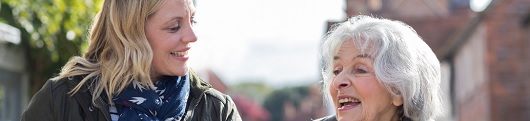
Isolation is one of the biggest health risks facing older adults. If you have an older neighbor, knock on their door. Ask them how they are doing. Offer to grab their mail or help them take out the trash. On the flip side, if you are an older adult, make an effort to smile and say hello to the young people in the neighborhood. A simple "good morning" bridges gaps.
2. Trade Skills and Share What You Got.
Everyone has something to teach, and everyone has something to learn. Let's create spaces in Wilkes East where generations can exchange skills. Maybe a teenager can teach an older adult how to use Zoom or a smartphone. Maybe an older adult can teach a young parent how to bake a favorite recipe or how to fix a leaky faucet. Imagine a neighborhood tool library where we share what we have instead of everyone trying to buy it alone.
3. Make Room for Everybody
When we host neighborhood events, we need to make sure they are accessible to everyone. Are there chairs for those who can't stand for long? Is there food that works for different dietary needs? Are there activities for children and activities for adults? When we plan, we should plan for the whole lifespan, not just the most vocal people in the room.
4. Show Up
If you see someone struggling in the neighborhood, don't look away. If a young person is having trouble, if an older adult needs help, if a family is struggling, be the neighbor who steps up. And when we have neighborhood meetings, show up. Your voice matters. Even if you feel like you don't know anything about city government, your lived experience is our most valuable tool.
The Power of a United Community
I have spent the last year fighting against powerful institutions that wanted to erase programs and silence voices. I have seen what happens when people refuse to give up. And I have learned that the strongest weapon we have against a system that wants to divide us is community.
When we connect generations, we build something that can't be broken. We are building a neighborhood that can weather any storm. We are building a legacy of care and community.
As my mother would say, "No man is an island." We aren't meant to do this life alone. We are meant to lean on each other and see one another.
Let's be that community here in Wilkes East. Let's take care of each other.
G. Shawnta’ Creech is a WENA contributor. She is a proud mother, a gerontologist, and a fierce advocate for older adults and working families.